How to Reset the Check Engine Light (and When You Should Not)
Posted by DIYCar Editorial Team Reviewed by DIYCar Editorial Team Review date Posted Topic: Check engine light
Resetting the check engine light does not fix the problem that triggered it. Find and repair the cause first, then clear the code with a scan tool, or let the car turn the light off itself after it no longer detects the fault. Clearing codes also resets the car's readiness self-tests, which can cause a failed emissions inspection if you test too soon.
Section of: Check Engine Light: What It Means and What to Do First
Resetting the check engine light turns off the indicator, but it does not fix anything. This page supports our check engine light guide and explains the right order: find the cause, repair it, then clear.
Why resetting does not fix anything
The light goes on because the car stored a fault code, per EPA. Clearing it removes the stored code and turns the indicator off, but the fault that caused it is still there until it is repaired. If the cause remains, the light will come back. If the light was flashing, a clear is dangerous, because EPA says a severe misfire can seriously damage the catalytic converter. See flashing check engine light.
Fix first, then clear
- Read and record the code. See how to read check engine light codes.
- Find and repair the cause, or have a shop do it. See why the light comes on.
- Clear only after the repair. Then check that the light stays off.
Methods
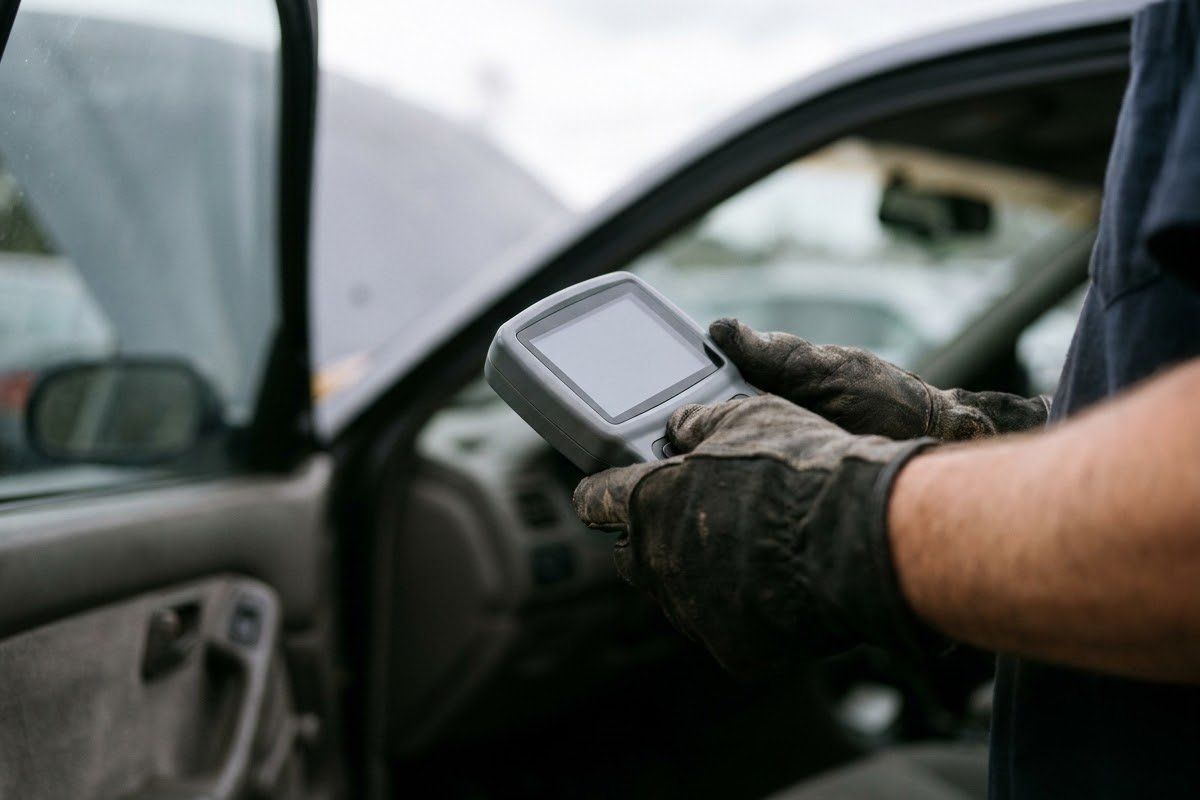
Scan tool. A code reader or scan tool can clear stored codes. Follow its instructions. A technician can also turn the light off after a repair, according to EPA.
Let the car do it. EPA says the light can turn off on its own once the system no longer detects the problem over several consecutive checks. For a loose gas cap, EPA says the light should go out within a few days after the cap is tightened properly.
Disconnecting the battery: downsides
Disconnecting the battery is not a recommended way to clear the light. EPA lists a recent reset of the OBD system due to battery disconnection or replacement among the reasons readiness codes may be unset at inspection. It also resets items such as windows, the trip computer and climate control on some cars, according to one owner’s manual. It does not repair a fault and it erases information a technician may need. See how to replace a car battery for the proper steps if you are changing the battery.
Emissions readiness monitors
Readiness codes show whether the car’s self-tests have run. EPA says each is shown as ready, not ready or not applicable, and that clearing the fault code memory also clears all readiness codes. A vehicle that was just reset may not have completed its self-tests when it reaches the inspection. EPA’s guidance says vehicles fail if diagnostic trouble codes are present and the light is commanded on, and that programs have rules for unset readiness codes that vary. Check your state’s rules and avoid clearing codes right before a test.
When it comes back
If the light returns, read the code again and compare it to the first one. A returning light means the fault has not been fixed or a new one has appeared. Use a shop if it returns after a repair. For safe habits on any job, see our safety basics. This guide is for gasoline passenger cars; diesel differs, so see your manual.
Quick answers
How long until the check engine light turns off by itself?
It depends on the fault. EPA says the light can turn off on its own once the system no longer detects the problem over several consecutive checks, and that after a loose gas cap is tightened the light should go out within a few days. If it does not go out, or it returns, the cause is still present and the code should be read.
Can I pass an inspection right after clearing the codes?
Possibly not. EPA says clearing the fault code memory also clears the readiness codes, which show whether the car's self-tests have run. A recent reset can leave them not ready at the test. EPA's guidance on rejecting vehicles varies by program, so check your state's rules and allow the car time to complete its self-tests.
Does disconnecting the battery clear the light?
It can reset the OBD system, but it is not recommended as a fix. EPA lists a recent reset due to battery disconnection or replacement as a cause of unset readiness codes at inspection, and your owner's manual may list other items that reset, such as windows and the climate control. Read the code first and fix the cause.
Is it safe to clear a code and keep driving?
Only if the cause has been found and repaired. Clearing a code does not repair anything, and EPA says a flashing light indicates a severe misfire that can seriously damage the catalytic converter. If the light was flashing, do not clear and drive; have the car diagnosed. A steady light still deserves a prompt check.
Will clearing the code erase information a mechanic needs?
It can. A cleared code removes the record of what the computer saw, which can make diagnosis harder, and it also clears readiness codes per EPA. Write down the code and any related details before clearing, and tell the technician what you cleared and when. Clear only after the repair.
Why did the light come back after I reset it?
Because the fault is still there, or a new one has been detected. A reset only turns off the indicator and erases stored data; it does not repair the cause. If the light returns, read the code again, compare it to the earlier one and arrange a proper diagnosis. Repeated returns are a reason to see a shop.
Where we got this
Further guides
- Check Engine Light: What It Means and What to Do First
What the check engine light means, how solid and flashing differ, the first checks to make, how to get the code, and when to stop driving and see a shop.
- Flashing Check Engine Light: What It Means and What to Do
A flashing check engine light signals a severe misfire that can damage the catalytic converter. What to do now, likely causes and what to avoid.
- How to Read Check Engine Light Codes at Home
How to read check engine light codes: what an OBD-II code is, how a code reader connects, how to write down the code, and what to do with it next.
- Why Is My Check Engine Light On? Common Causes Explained
Why your check engine light is on: gas cap and vapor leaks, misfires, sensors and the catalytic converter, and why the code, not the light, names the cause